The Things Guests Leave Behind… and Why Suitcases Are the Worst
If you’ve ever stayed in Japan, you may have noticed that rubbish disposal is… complicated. Not to mention, often hard to even find options for the most basic of rubbish disposal while out and about.
Actually, that might be putting it lightly.
Sorting rules vary by area, pickup days are strict, and disposing of oversized items requires advance booking, payment, and coordination. Even long-term residents can find it confusing at times.
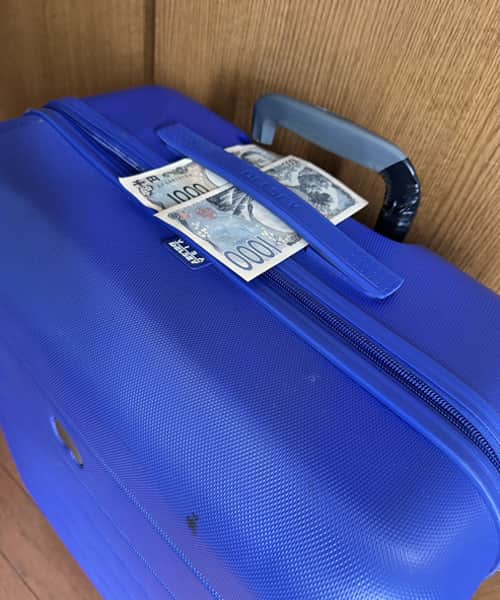
So when a recent guest asked if they could simply leave their broken suitcase on the sidewalk because they didn’t want to pay for disposal, the answer was a very clear no.
Why You Can’t Just Leave a Suitcase Outside
In many countries, leaving bulky items on the curb might be acceptable. In Japan, it’s considered illegal dumping. Suitcases fall under 粗大ごみ (sodai gomi), or oversized waste, which must be:
- Booked with your local ward office
- Paid for in advance (via disposal stickers)
- Left out only on the designated day
Leaving it outside without following this process can result in fines and creates problems for neighbors and the community.
For travelers looking for an easier option, services like ReCase offer a convenient solution. You can send your suitcase for recycling or disposal without navigating local government systems. It’s a much more responsible and stress-free way to handle broken luggage while visiting Japan.
What Guests Leave Behind (You’d Be Surprised)
Over the years at Tokyo Family Stays, we’ve seen just about everything left behind:
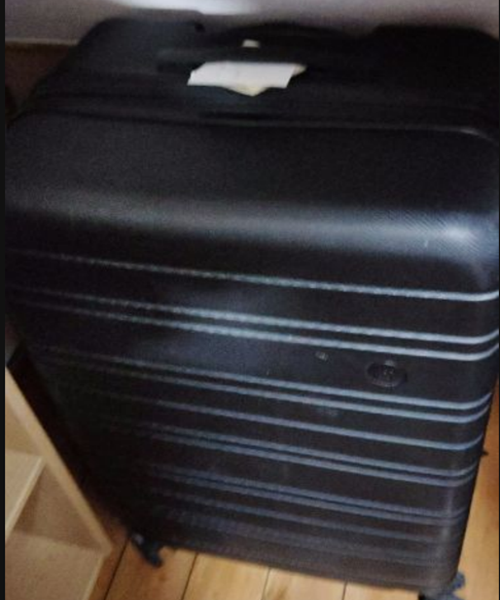
Half-broken suitcases
Broken appliances
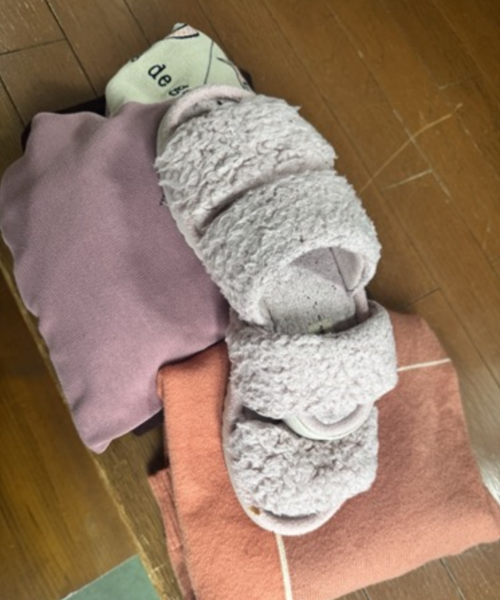
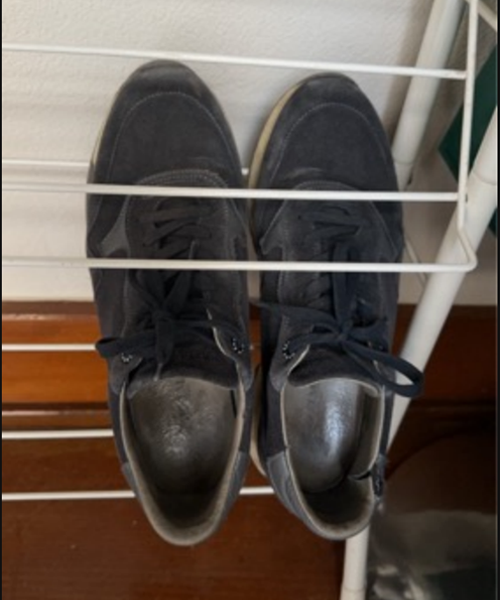
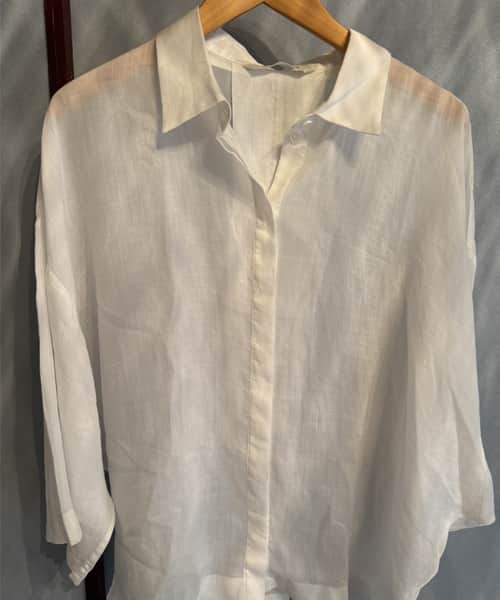
Clothes, shoes, and unopened items or excess shopping
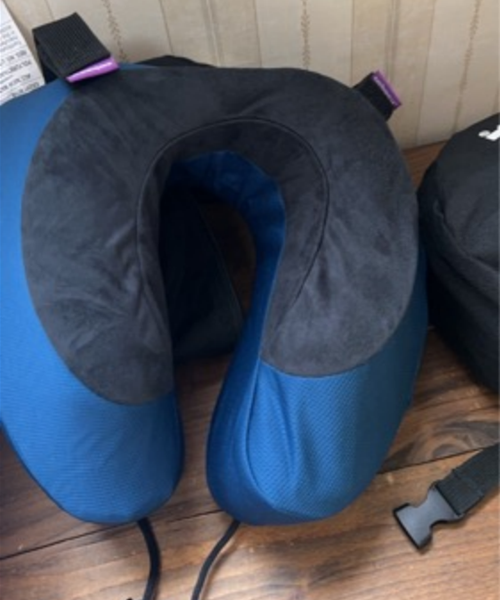
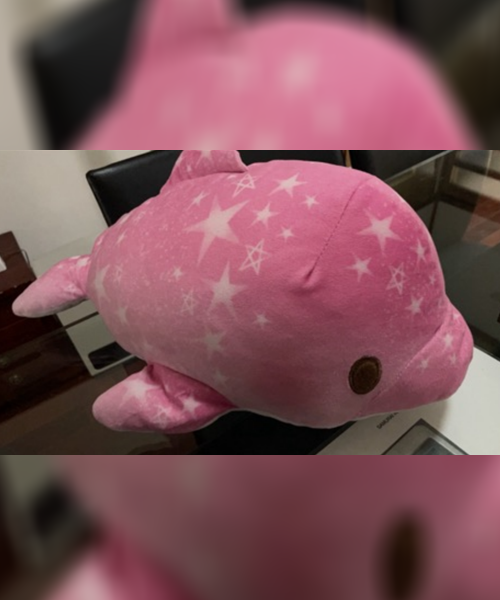
Stuffed animals and lots of travel neck pillows
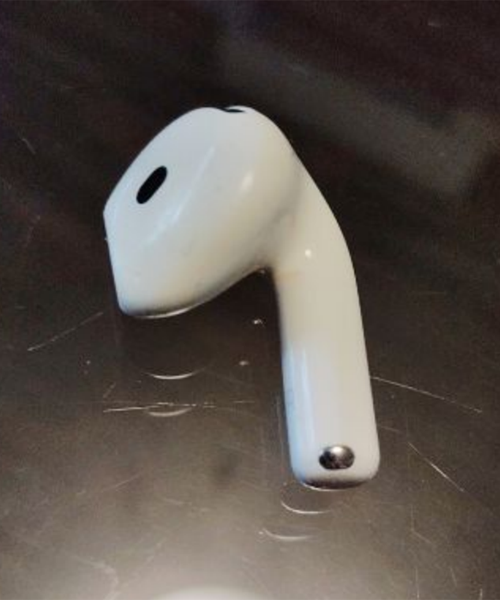
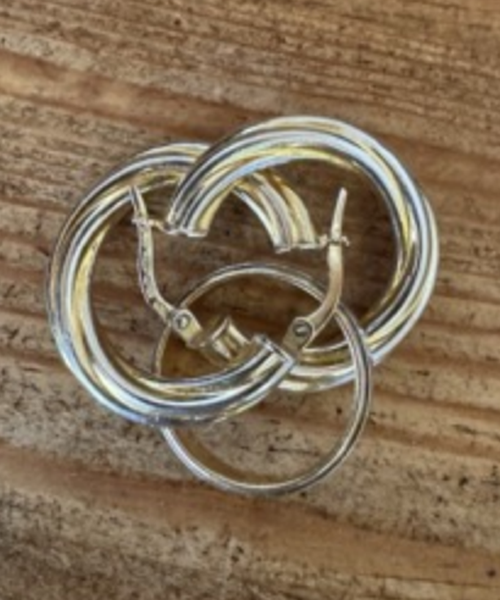
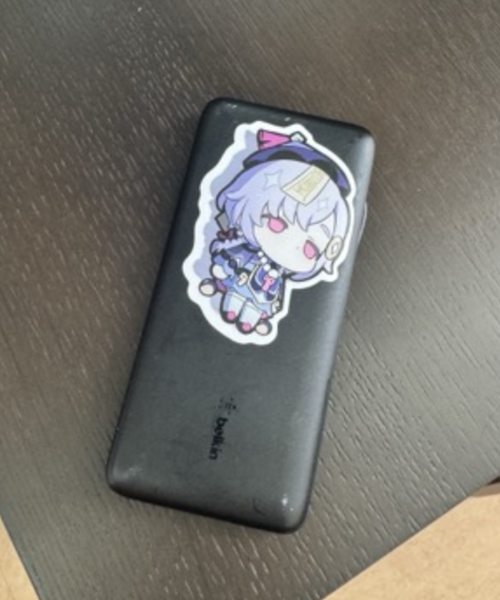
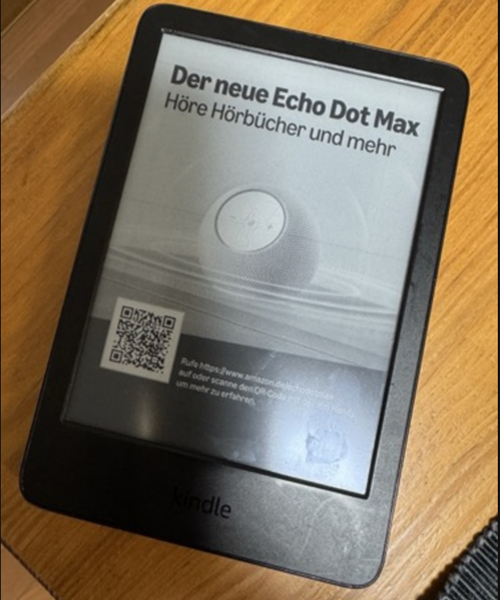
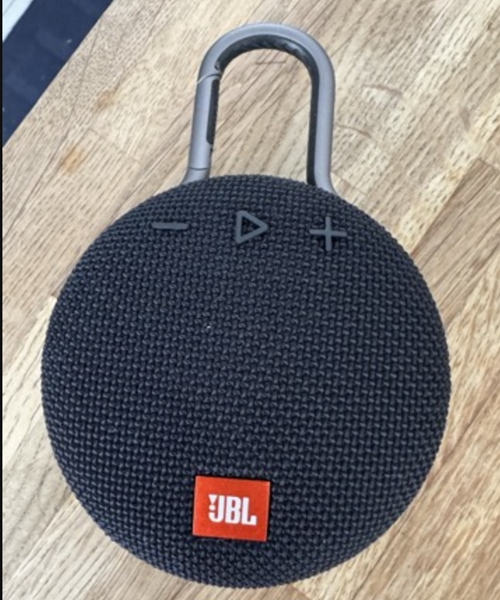
Even things that clearly should not be abandoned like jewelry, phones, speakers
While we understand that travel plans change and accidents happen, disposal in Japan isn’t something that can be handled casually or at the last minute.
If you’re curious about how complex this issue can be, this article from Unseen Japan gives a great overview of the challenges around suitcase disposal in Japan: 👉 https://unseen-japan.com/broken-suitcase-disposal-japan/
Why We Now Charge Disposal Fees
Because of repeated situations like this, we’ve had to introduce disposal fees for items left behind.
This isn’t about being strict. It’s about:
Covering the real cost of proper disposal
Staying compliant with local regulations
Respecting our neighbors and community
Arranging bulky waste collection takes time, coordination, and money. It’s not something we can absorb indefinitely, especially as a small, guest-focused business.
Left Something Behind? We’ve Got You
We understand that things can easily be forgotten when you’re traveling.
If you’ve left items behind at one of our properties, we’re happy to help arrange for them to be sent back to you. Wherever possible, we’ll carefully pack and ship your belongings so they can be reunited with you.
Please note that a fee will apply to cover postage and handling, and we’ll always confirm the cost with you in advance before proceeding.
Just reach out to our team, and we’ll take care of the rest.
Giving Items a Second Life
Where possible, we always try to ensure that usable items don’t go to waste.
Items that guests leave behind such as clothing, small household goods, or unopened essentials are carefully sorted and, when appropriate, donated to Grama Seva Japan, an organization supporting individuals experiencing food insecurity and hardship around areas like Yoyogi Park.
Instead of ending up as waste, these items can become practical, meaningful support for people navigating difficult seasons.
As a family, we also regularly volunteer on Sunday mornings to help distribute hot bento lunches through these efforts. It’s a small but important way for us to stay connected to the broader community we live and work in, and to contribute beyond just hosting.
If you’d like to learn more about this side of what we do, we’ve shared a little more in our blog post here: 👉 https://tokyofamilystays.com/en/hosting-with-heart-tokyo-edition
A Gentle Request to Our Guests
If something breaks during your stay, please let us know.
We’re always happy to guide you toward the right disposal method or suggest services that can help. What we can’t do is allow items to be left behind or placed outside improperly.
Japan runs on systems that rely on cooperation and respect for shared spaces. By following these rules, you’re helping keep neighborhoods clean, safe, and welcoming for everyone.
And trust us, your future self (and your hosts) will thank you.