So you think you want to climb Mt Fuji?
This is a guest travel blog written by Benjamin Perry. Benjamin has been the summer intern at Tokyo Family Stays for the summer of 2024. He is a university student at The University of Tennessee. Amongst the other tasks that we assigned him like updating all of our area maps and local guidebooks, we sent him on an expedition to climb Mt Fuji and of course to write about it here.
Following is Ben’s Travel Diary from July 2024. Enjoy…
About The Climb
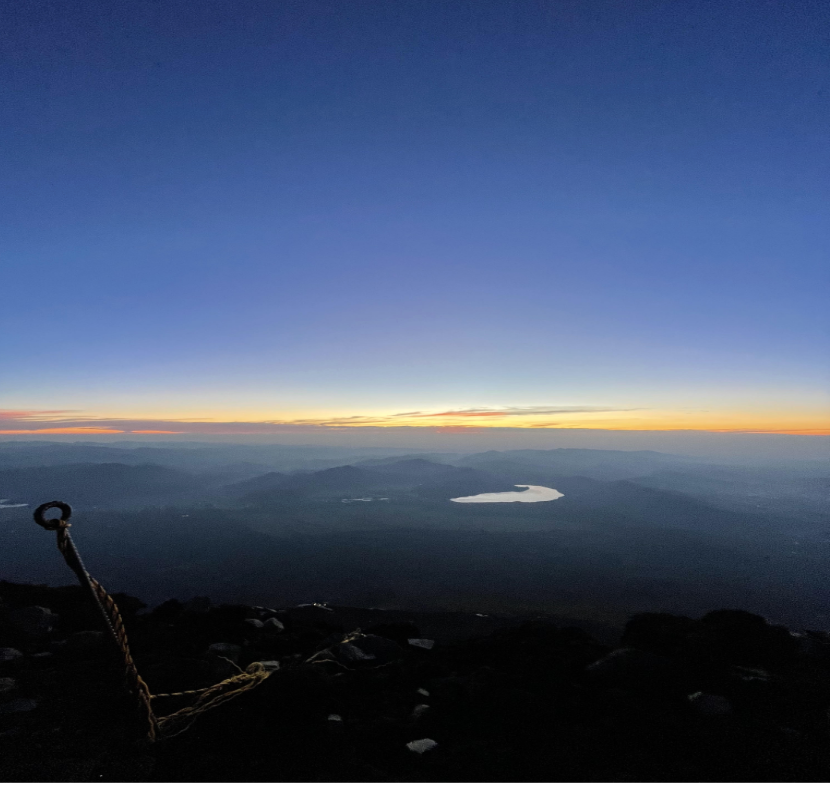
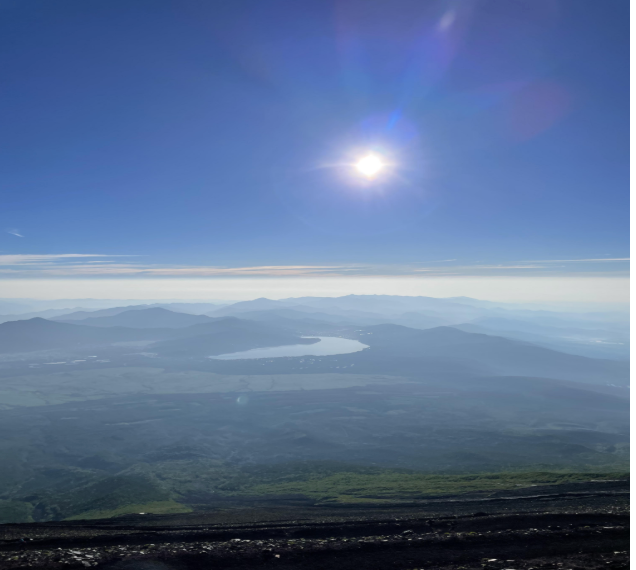
Standing majestically at 3,776 meters (12,389 feet) above sea level, Mount Fuji is not just Japan’s highest peak but also an iconic symbol of natural beauty and spiritual significance. Every year, thousands of adventurers from around the globe undertake the exhilarating challenge of climbing this dormant volcano, seeking both physical achievement and a profound connection with nature. Having recently embarked on this unforgettable journey myself, I can attest that climbing Mount Fuji is an experience like no other. Just take a look at the view at the peak.
Preparing for the Ascent
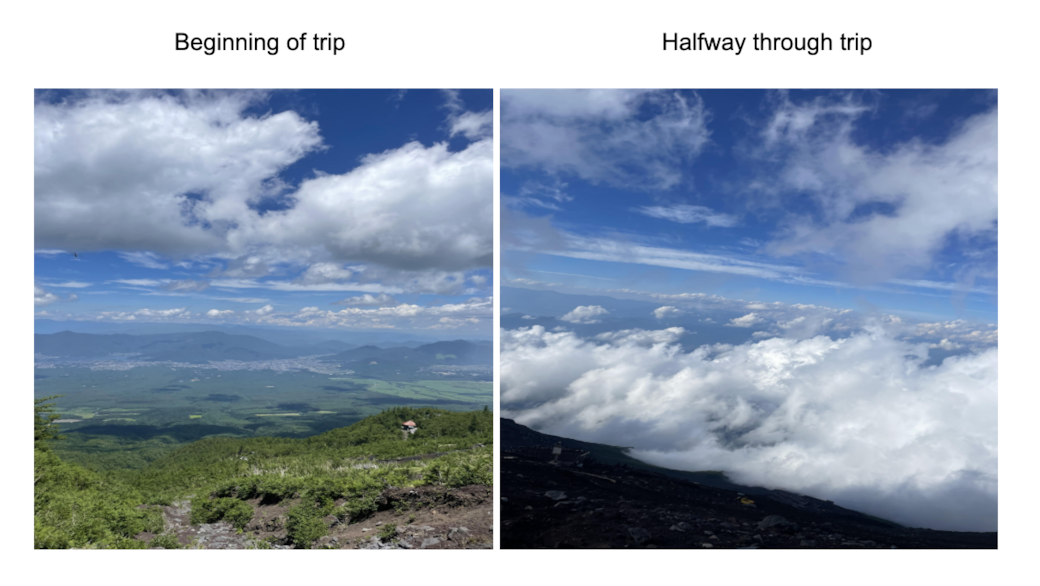
Before setting foot on Mount Fuji, it's essential to prepare adequately. The climbing season typically runs from early July to mid-September when the weather conditions are most favourable. Despite its popularity, Mount Fuji's unpredictable weather demands careful planning and flexibility. You would need to bring layers upon layers of warm clothing and plenty of water to stay hydrated. As you climb higher, the colder it will get and naturally, as you descend the warmer it will get so it is essential to be prepared.
Starting the Climb
My ascent began in the early hours of the morning from the 5th Station on the Yoshida Trail, one of the most popular routes. The initial part of the trail is well-marked and gently sloped, allowing climbers to acclimatise gradually. The scenery around you will become increasingly breathtaking as you go further up the mountain.
Navigating the Trails
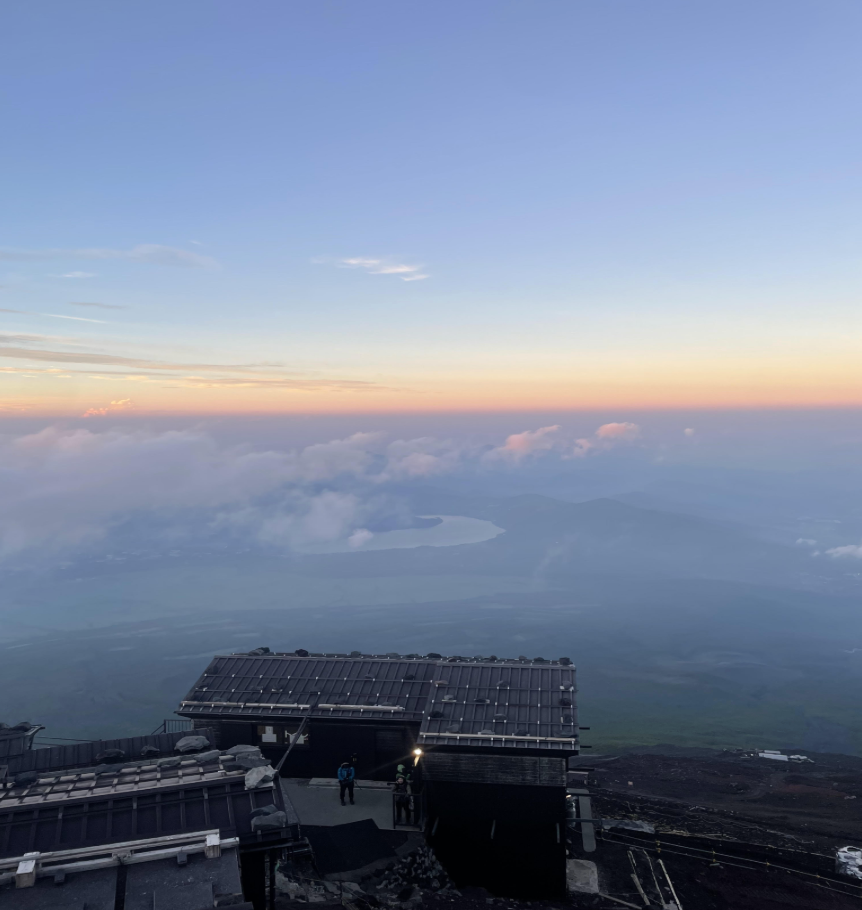
As you progress higher, the terrain becomes more challenging, with loose volcanic gravel making each step more demanding. The trails are divided into stations, providing resting points, food, and shelter. These stations also serve as markers of progress, motivating climbers to push forward towards the summit. It is advisable to stay the night at one of these rest stops and reach the summit at sunrise the next day, you should book a stay at the station you know you can reach before you exhaust yourself.
Reaching the Summit
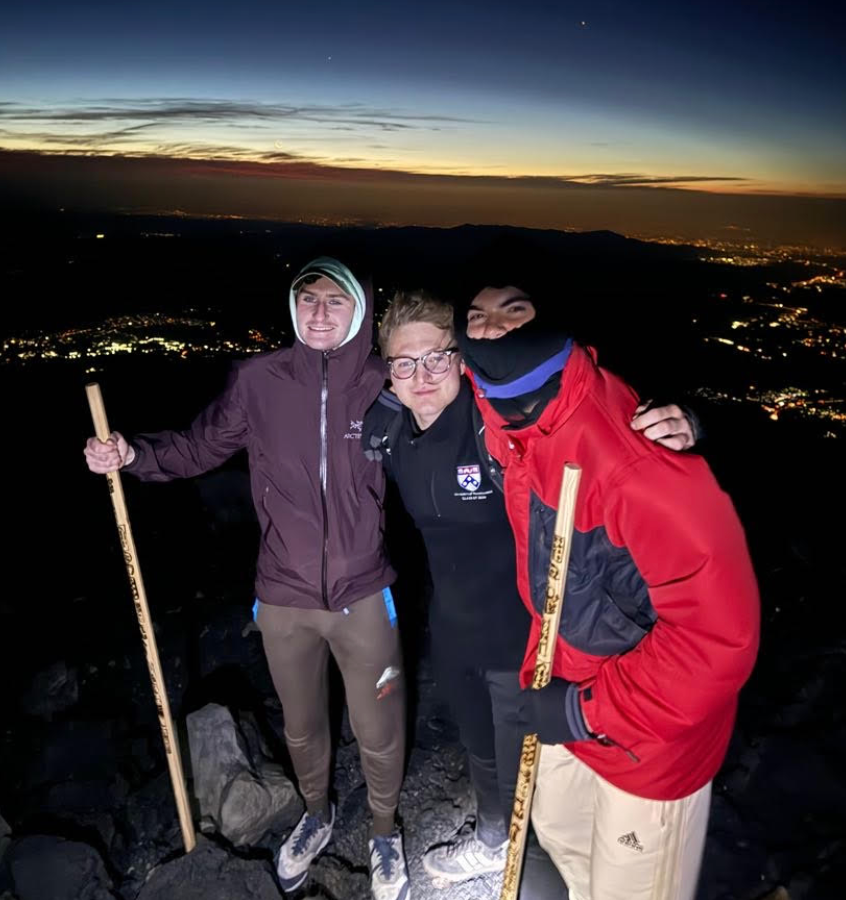
After hours of climbing to the summit, your group will finally reach the summit crater, an otherworldly landscape of rugged rocks and volcanic ash. The view from the top was nothing short of awe-inspiring – panoramic vistas of rolling clouds, distant lakes, and the sprawling urban expanse of a busy town far below. Standing there, surrounded by fellow climbers who shared in the triumph of reaching the peak, you will feel a profound sense of accomplishment.
Descending and Reflecting
Descending Mount Fuji is a different challenge altogether. The loose gravel makes footing precarious, requiring careful attention to avoid slips and falls. Despite the physical strain, the descent offers ample opportunities to reflect on the journey and appreciate the natural beauty of the mountain from a different perspective.
Climbing Mount Fuji is indeed a remarkable journey that leaves a lasting impression on all who undertake it. If you have any questions, feel free to ask Tracey.