Guest Post from Sherilyn Siy: Easy Day Trip from Tokyo - Hidaka in Saitama
I have been guiding in Tokyo for about a year when a high school friend, returning to Tokyo for a visit, requested a tour that included hiking. I figured she would enjoy the easy hike up the mountain right by where we live in Hidaka, Saitama. With the right trains, Hidaka can only be an hour away from Tokyo. The more I thought about it, the more I realized there were other things I wanted to show her if she made the trip out here, so I suggested we spend the whole day here
From the station where I met her, we walked down to the site of the remains of Stone Age dwellings. These remains were excavated and identified in 1945 as dating back to the middle Jomon Period (approximately 4,500 years ago). Pit dwellings were standard and ritual life such as stone arrangements and burial practices were becoming more complex, as were the intricate pottery unearthed from the area.
To be honest, these remains are nowhere near as visually inspiring as Stonehenge or the Newgrange. That said, I often stop by these foundation stones on my way home from the station. Set on a hill overlooking the foot of the Chichibu mountain ranges, I wonder what the people from five millennia ago thought about as they gazed at the same view I was seeing. I ponder my connection to what life might have looked like for this community. Standing on this very spot rearranges my sense of scale, my concept of time, lifespan, and what, if anything, endures.
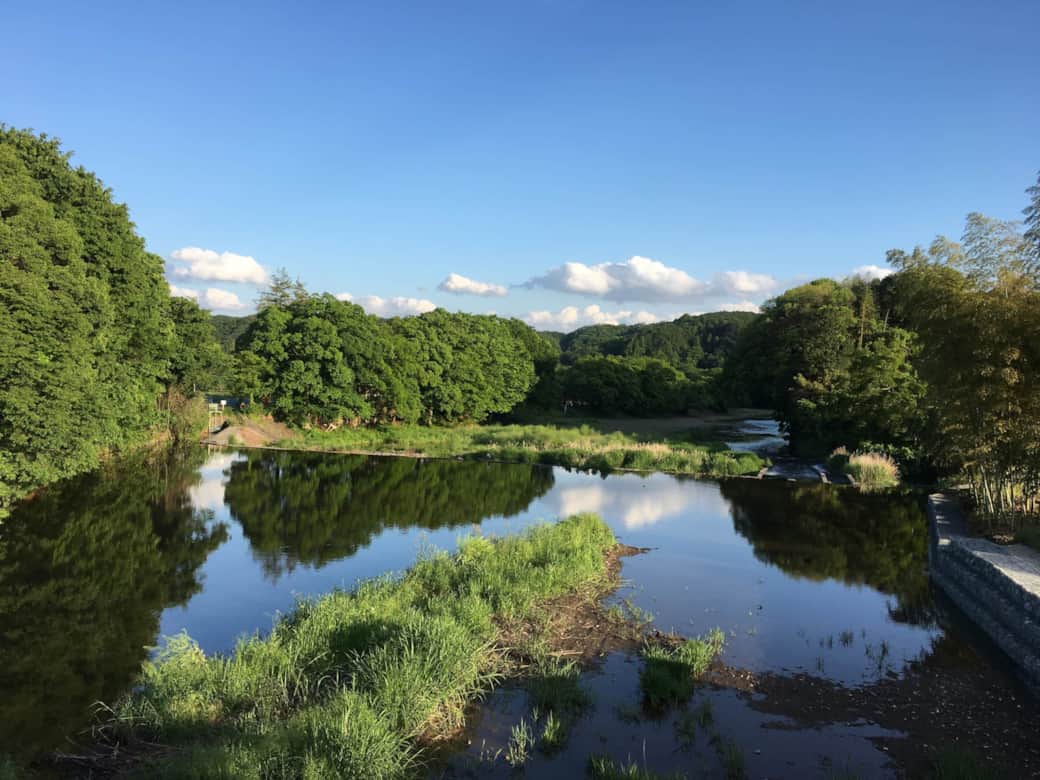
We strolled downhill to where the river meanders around a pouch-shaped field, Kinchakuda. In late March, canola flowers turn the fields to gold, while the cherry trees form a fluffy pink border around the field. By mid to late September, thousands (including the previous Emperor and Empress one year) make a pilgrimage to a carpet of red spider lilies, a landscape that is sacred especially to anime fans (Demon Slayer and Hell Girl) where the red spider lilies signal death and the space between worlds. The rest of the year, the soft lines of the river, the surrounding hills and the lush greenery are a balm for the eyes weary of the city’s rigid grids.
Then, the promised hike. Mt. Hiwada rises to just 305 meters above sea level, and with the trailhead at around 85 meters, it’s an easy 220 meter climb. I have even seen women in high heels make the climb up the so-called “female route” (an annoyingly gendered name, I know) where the path slopes gently . For those who want more of a challenge, there’s a steeper course (“the male route” of course) where you’ll need both hands to grip the rocks. You can reach the top in 30 minutes or less. From the lookout, you’re rewarded with a bird’s eye view of Kinchakuda and to the right, on a clear day, Mt. Fuji.
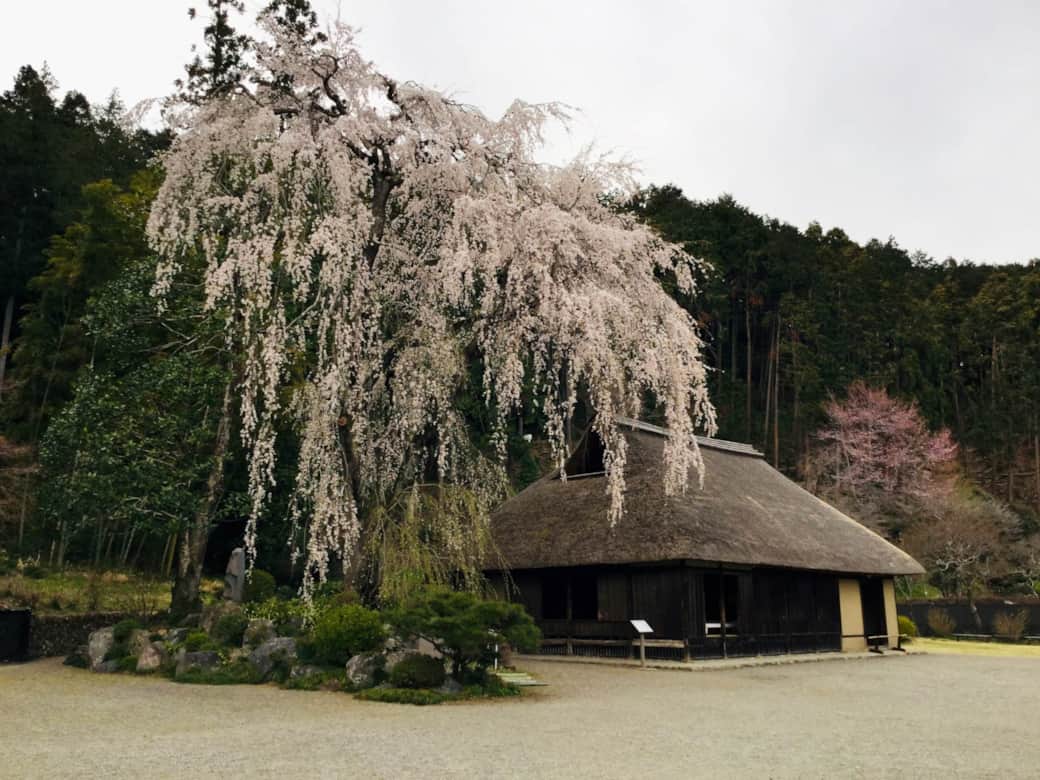
A short distance from the trailhead is the Old Koma Town House that dates back to the end of the Edo Period. It belonged to a relatively well established local family that had the means to build a house of this size and quality. I personally love places like this and remember visits to pioneer villages and historic homesteads in the US. In these preserved homes, you get a sense of how people lived before electricity, before life became so fast. I marvel at the public and private moments the earthen floors, wooden walls and tatami rooms must have witnessed, the stories they could tell.
My friend opted for lunch at Nichigetsudo, a cafe with a terrace overlooking the Koma River. The menu is simple, sandwiches and pizza made with natural yeast and baked in wood-fired brick oven. The meal is hearty, wholesome and deeply satisfying in the way only a rustic meal surrounded by a tranquil landscape can be.
Sometimes, when Japanese see the kanji of this town, Koma 高麗, they could immediately tell the Korean roots of our place. Over 1,300 years ago (in the 8th century), a group of immigrants from the ancient Korean kingdom of Goguryeo settled in this area. Beyond the linguistic connection, there is Koma Shrine, dedicated to Jakko, the leader of the settlers who made this place home. As you walk through the grounds, you could sense how the shrine is rooted in its surroundings, as though it grew out of the land and the people who came here centuries ago. Today, Koma Shrine draws those seeking business success.
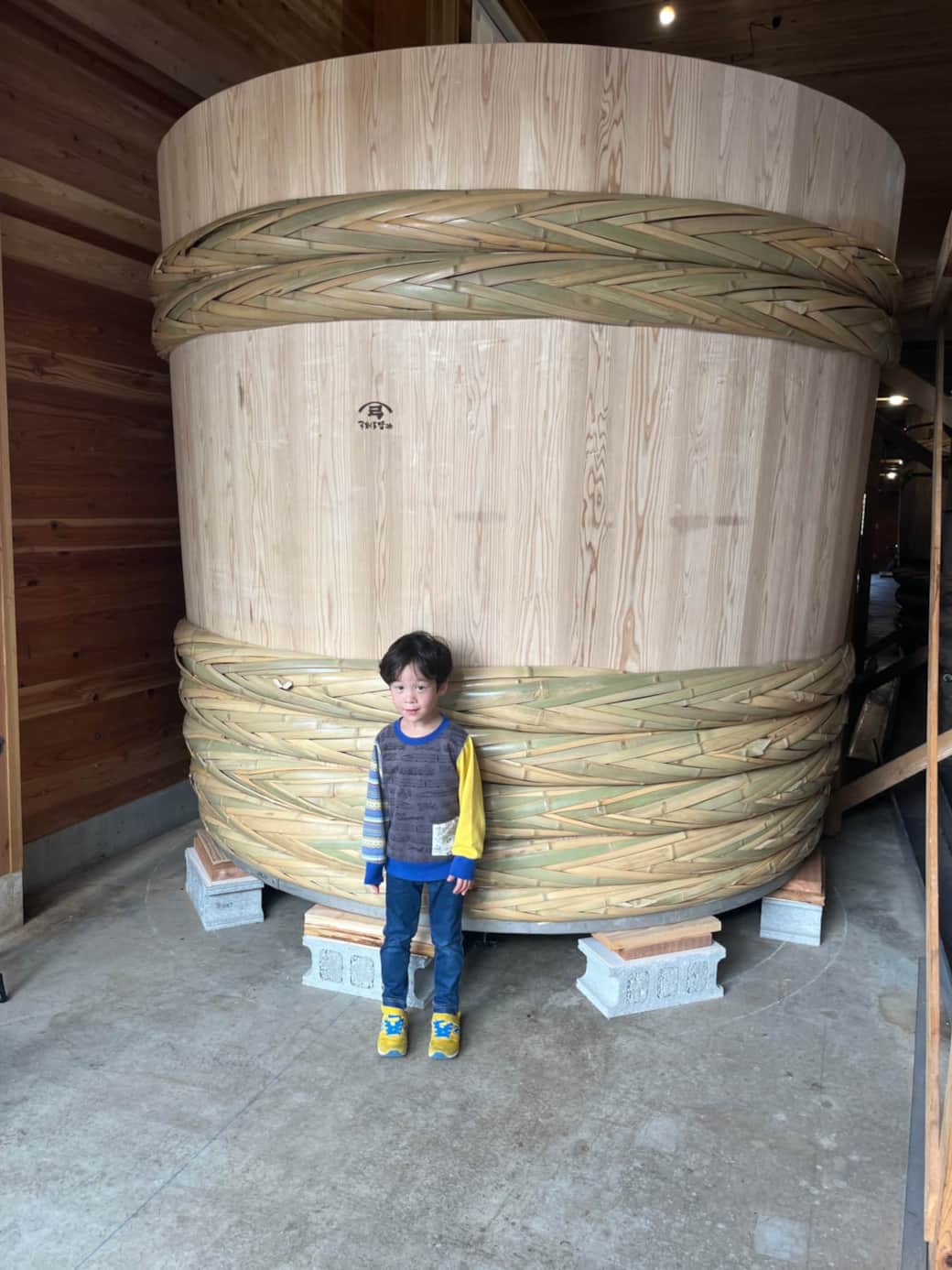
From Koma Shrine, the Yugeta Soy Sauce Kingdom is a short drive away. Part shop, part museum, Yugeta’s soy sauce is still made the traditional way. Inside, you’ll find enormous wooden barrels large enough to hold thousands of liters of soy sauce. Made of Japanese cedar, these barrels have been in use for decades, harboring the microorganisms that give Yugeta’s soy sauce its depth and complexity.
The sheer size of the barrels is astonishing and quite an experience to stand beside them. When my friend saw the bamboo hoops that hold the staves together, she exclaimed, “This is exactly what I read about,” recalling a book on disappearing crafts. “Fewer and fewer people know how to make these,” she explained. Today, some barrels are reinforced with metal bands instead, a sign that this very specific craft is fading.
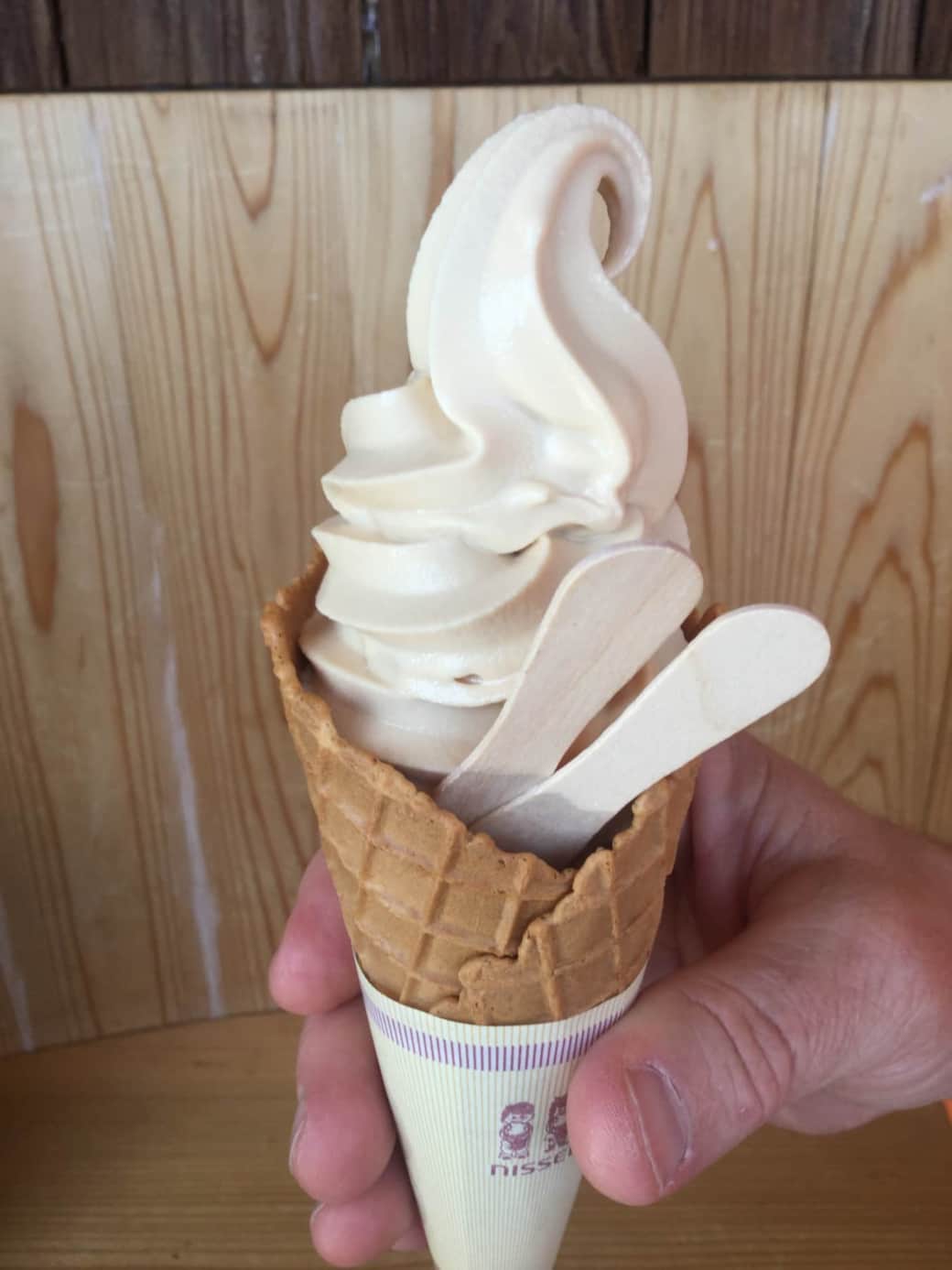
A visit to the Soy Sauce Kingdom would not be complete without trying soy sauce soft cream. It sounds like an odd flavor, but it actually tastes like deep salted caramel, an unexpected way to catch a hint of the rich flavor developing in those barrels we have just seen.
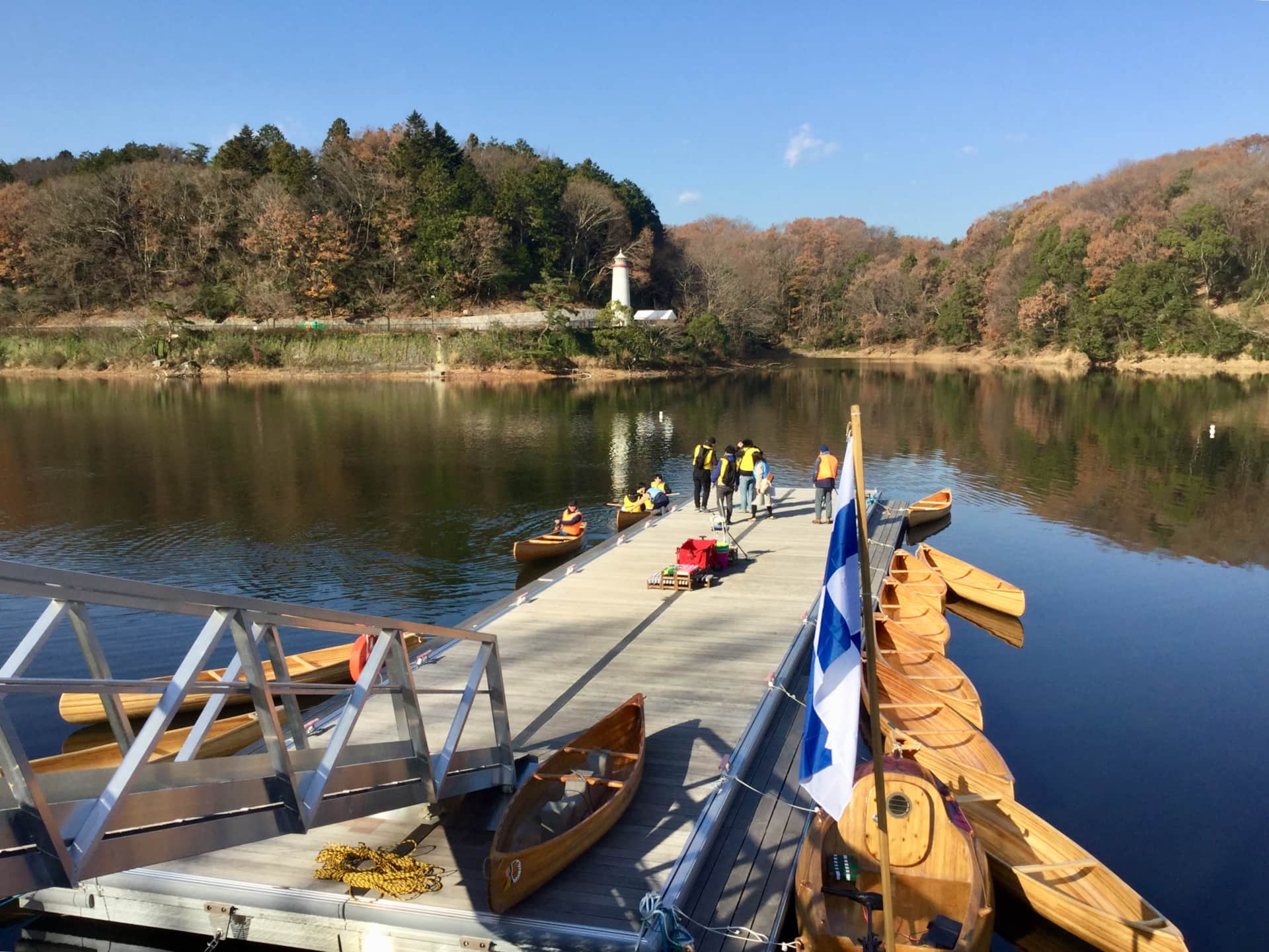
We close the day at Metsä Moomin Valley Park in neighboring Hanno. The developers made full use of the lake at the center, evoking the gentle open views that echo through the stories of Finnish author Tove Jansson. Scattered around the lake are buildings in soft blues and muted tones of Nordic summer houses. Though popular, there is an openness and quiet in the park that is a stark contrast to the density of Tokyo. We took our time sitting by the water, chatting, and later browsing the shops for Nordic-inspired goods and sweets to take home.
As I dropped my friend off at the station, she turned to me and said she never would have imagined this place existed so close to Tokyo. That, to me, is the quiet charm of Hidaka. The countryside offers a different rhythm of travel, inviting you to slow down, and look more closely, where layers of nature, history and unexpected discoveries emerge. If you are looking for an easy day trip from Tokyo that goes beyond the usual routes, this is one I would love to guide you through.
Read more about tours here: https://easydaytripfromtokyo.carrd.co and to book, email easydaytripfromtokyo@gmail.com (Quote Tokyo Family Stays to get 10% off).
About Sherilyn
Sherilyn Siy is a Tokyo-based guide who specializes in thoughtfully designed day trips that connect guests with Japan’s deeper cultural and historical layers. With a reflective and storytelling approach, she creates immersive experiences that go beyond sightseeing, offering meaningful moments of connection with place and time.
Pricing of tours
US$365 for 1 guest, US$100 for each additional guest (maximum 4 guests per group)
What’s Included in tour
6–7 hour guided experience
Lunch (1 main entrée + 1 drink) at Alishan Café or Nichigetsudo Café
Soy sauce soft cream per person
Transportation during the tour
Parking fees at Moominvalley Park
Special Offer
10% off when quoting Tokyo Family Stays

Booking & Availability
Tours are not available on Tuesdays and Wednesdays
Please book at least one week in advance (Shorter notice may be possible depending on availability)
Mobility & Accessibility
This is primarily a walking tour and includes light hiking. The route can be adjusted for guests who prefer a less strenuous experience, with alternative activities available.
Please note that some walking is required throughout the day, and certain areas are not suitable for wheelchairs.
If you have specific mobility needs, feel free to reach out in advance. We’re happy to discuss how best to tailor the experience.