
Shichi-Go-San in Japan: A Family Guide to the Beautiful Seven-Five-Three Tradition
November is Shichi-Go-San season in Japan! If you're visiting Tokyo with children, or raising your family in Japan, you may notice something particularly special at Japanese shrines during autumn: young children dressed in colourful kimono, proudly walking alongside their families.
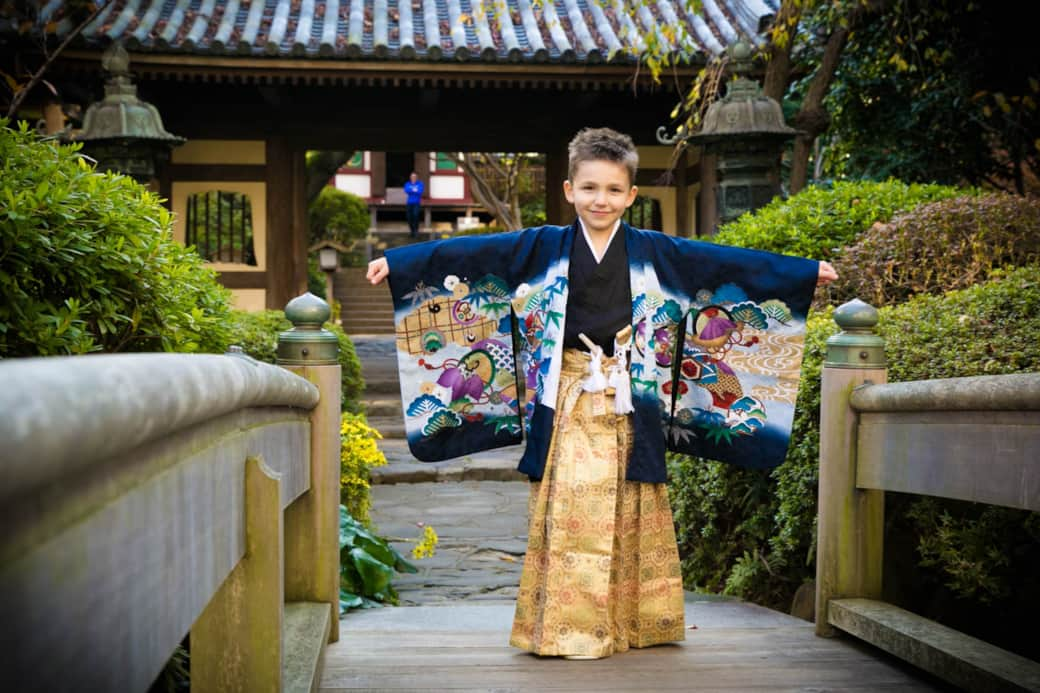
These families are celebrating Shichi-Go-San (七五三), which literally means Seven-Five-Three, one of Japan's most cherished childhood traditions.
But what exactly is Shichi-Go-San, and can international families participate?
Whether you're planning a family trip to Tokyo, celebrating a milestone with your children, or simply interested in Japanese culture, here's everything you need to know about this beautiful tradition.
What Is Shichi-Go-San?
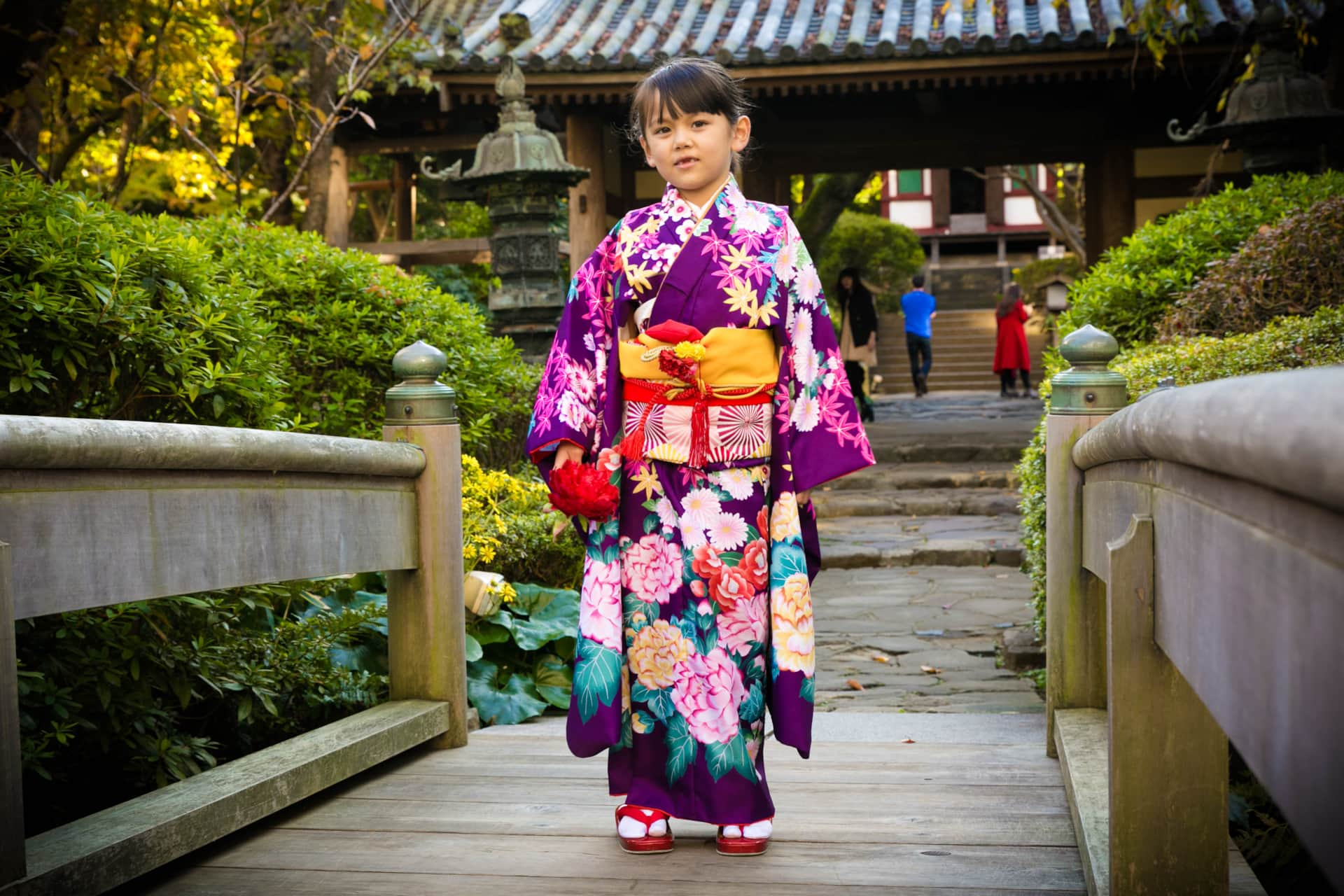
Shichi-Go-San is a traditional Japanese celebration that marks important milestones in a child's life.
Traditionally, the celebration takes place at three and seven years old for girls and five years old for boys, although some families also celebrate three-year-old boys.
The official date is November 15, but celebrations often take place throughout October and November, allowing families to choose a convenient day.
During Shichi-Go-San, families visit a Shinto shrine to express gratitude for their children's growth and pray for their continued health, happiness and safety.
Children often wear beautiful traditional kimono, and many families arrange professional photographs to commemorate the occasion.
It's a celebration of childhood, family and the joy of watching little ones grow.
The History of Shichi-Go-San: Why Ages Three, Five and Seven?
Shichi-Go-San has a fascinating history dating back hundreds of years.
Its origins are generally traced to ceremonies practised among aristocratic and samurai families during Japan's Heian period (794–1185), with traditions developing further during the Edo period (1603–1868).
In earlier centuries, childhood illnesses were much more dangerous, and reaching certain ages was an important milestone. Families celebrated their children's survival and growth while praying for their continued protection.
Three traditional ceremonies gradually became associated with the ages celebrated today.
Age Three – Kamioki (髪置き)
Historically, young children often had their hair shaved. At around age three, they were allowed to begin growing it longer. The Kamioki ceremony marked this transition.
Age Five – Hakamagi (袴着)
At around age five, boys traditionally began wearing hakama, formal pleated trousers worn over a kimono. This represented an important step towards growing up.
Age Seven – Obitoki (帯解き)
At around age seven, girls began wearing kimono tied with a traditional obi sash rather than the simpler cords used for younger children.
Over time, these customs evolved into the Shichi-Go-San celebrations we recognise today.
While modern families may celebrate in different ways, the meaning remains much the same: gratitude for a child's growth and hopes for a healthy, happy future.
More Than Just Wearing a Kimono: The Shrine Blessing
One of the most meaningful parts of Shichi-Go-San is the special blessing ceremony known as Gokito (ご祈祷).
During the ceremony, a Shinto priest offers prayers for the child's continued health, safety, happiness and well-being.
Families usually make a monetary offering called Hatsuhoryo (初穂料) to receive the blessing.
The amount varies by shrine, and some shrines require reservations while others accept visitors on the day.
You don't need to understand Japanese to appreciate the ceremony. Simply follow the priest's instructions and observe respectfully.
And don't worry if your children are a little restless! Shichi-Go-San is a family occasion, and young children are very much part of the experience.
Shrine Etiquette: What Should Families Know?
If it's your first visit to a Japanese shrine, a few simple customs will help you feel more comfortable.
At the entrance: Bow lightly before walking through the torii gate, which marks the entrance to sacred shrine grounds.
Purification: Many shrines have a water basin called a temizuya, where visitors can symbolically cleanse their hands before praying.
At the main shrine: The usual prayer custom is two bows, two claps and one final bow, although individual shrine instructions may vary.
During the blessing: Follow the priest's directions, keep phones silent and avoid taking photographs unless permission has been given.
Clothing: Smart, respectful clothing is appropriate. Parents don't need to wear kimono, although some choose to do so.
If you're planning a blessing, check the shrine's official website beforehand for the latest ceremony times, fees and photography rules.
Making Wishes at the Shrine: Ema
Another lovely Japanese tradition that children can enjoy is writing wishes on small wooden plaques called Ema (絵馬).
These plaques are available at many shrines for a small offering.
Families can write or draw their wishes, such as:
May our family always be happy.
May our child grow up healthy and strong.
May all your dreams come true!
The plaques are then hung at designated areas within the shrine grounds.
Writing an Ema is optional, but it can be a lovely way for children to participate in the experience and create their own special memory.
What Is Chitose Ame?
You may also notice children carrying colourful, decorated bags containing long, thin sweets called Chitose Ame (千歳飴).
The name means thousand-year candy, and the unusually long shape symbolises wishes for a long and healthy life.
Traditionally, the bags are decorated with auspicious symbols such as cranes and turtles, both associated with longevity in Japanese culture.
For many children, receiving Chitose Ame is one of the most exciting parts of the celebration!
Can International Families Celebrate Shichi-Go-San?
Absolutely!
You don't need to be Japanese to appreciate and respectfully participate in this tradition.
International families living in Japan may choose to celebrate their children's milestones through Shichi-Go-San, and families visiting Japan can also arrange a kimono experience or, where permitted, a shrine blessing.
You can make the occasion as simple or elaborate as you like.
Some families arrange a formal blessing, professional kimono dressing and photography. Others enjoy a more relaxed shrine visit, family photographs and a chance to learn about Japanese customs together.
Parents don't need to wear kimono, and there's no requirement to organise a large celebration.
Autumn is also a particularly beautiful time to visit Tokyo's shrines, with cooler weather and colourful leaves creating a wonderful backdrop for family photographs.
Where to Celebrate Shichi-Go-San in Tokyo
Meiji Jingu Shrine – Harajuku, Tokyo
Located beside the lively neighbourhood of Harajuku, Meiji Jingu is one of Tokyo's most famous Shinto shrines and a wonderful location for a family celebration.
Despite being in the heart of the city, the shrine is surrounded by a peaceful forest, creating a beautiful contrast to the busy streets nearby.
Families can participate in a traditional blessing, explore the shrine grounds and enjoy the atmosphere of one of Tokyo's most important cultural landmarks.
Meiji Jingu generally accepts individual prayer applications on the day, without advance reservations.
Things to know:
Blessing fees start from ¥5,000-¥10,000.
The shrine's Kaguraden is the reception and ceremony venue.
Allow additional time to walk from the Harajuku entrance to the main shrine area.
Photography is restricted in certain sacred areas and during ceremonies.
Meiji Jingu is an especially convenient choice for families staying in central Tokyo, with easy access from Harajuku and Meiji-jingumae stations.
Kimono Family Photography: A Beautiful Experience All Year Round
You don't have to wait for Shichi-Go-San to dress up in traditional Japanese kimono and capture beautiful family memories! Kimono photography is a wonderful experience at any time of year, whether you're visiting Japan on holiday or living here with your family. Each season offers something special, from cherry blossoms in spring and lush green gardens in summer to colourful autumn leaves and peaceful shrine settings in winter. Many kimono rental shops offer outfits for both adults and children, making it possible for the whole family to dress up together. Whether you're celebrating a birthday, marking a family milestone or simply wanting to capture a special moment during your time in Japan, a kimono photoshoot is a unique way to experience Japanese culture and create photographs you'll treasure for years to come.
Kimono Rental Near Meiji Jingu: Four Options for Families
Wearing a traditional kimono is one of the most memorable parts of Shichi-Go-San.
Fortunately, there are several rental services with English-language information that can make the experience easier for international families.
Looking for photographer too? Some of these places include photographer in the set but if you are looking for something different we highly recommend Tia from TopTia as a fabulous English speaking photographer based out of Tokyo.
1. Kimono Rental SHIBUI – Harajuku
Located just a few minutes from Harajuku Station and the Meiji Jingu entrance, SHIBUI is particularly convenient for families wanting to explore the area in kimono.
The shop offers English-speaking staff, kimono dressing and children's rental options.
Children's kimono rentals are advertised from approximately ¥4,500, with sizing for children around 80–130 cm tall.
Photography services are also available.
Best for: Families looking for a convenient, English-friendly kimono experience near Meiji Jingu.
Important: Confirm whether formal Shichi-Go-San outfits are available, as everyday kimono and ceremonial kimono are different.
2. Kimono Rental AKI – Shibuya
Children's Kimono Rental – English Website
Kimono Rental AKI offers traditional children's kimono specifically for Shichi-Go-San.
Its Shibuya location is convenient for families travelling to Meiji Jingu by train or taxi.
The company offers outfits for different ages, including traditional hakama for five-year-old boys and formal kimono for seven-year-old girls.
Published rental prices start at approximately:
Age three: ¥11,000
Age five: ¥16,500
Age seven: ¥27,500
These are advertised rental starting prices, and families should confirm dressing arrangements and additional costs.
Best for: Families looking for traditional Shichi-Go-San clothing rather than casual sightseeing kimono.
3. Miyakomon – Easy-Dressing Kimono Rental
Miyakomon offers a particularly useful alternative for families travelling with young children.
Instead of visiting a rental shop for traditional dressing, families can order specially designed easy-to-wear kimono delivered to their accommodation.
These one-touch kimono are designed so that parents can dress their children themselves, making the process less stressful for little ones.
Shichi-Go-San outfits are available for different ages, with children's options starting at approximately ¥11,800 for selected styles.
Best for: Families who would prefer to dress their children at their holiday accommodation and travel directly to the shrine.
4. Kimono Tokyo Harajuku – Traditional Shichi-Go-San Outfits
Located in Harajuku, close to Meiji Jingu, Kimono Tokyo Harajuku offers dedicated Shichi-Go-San plans.
Published options include three-year-old children's outfits from ¥8,800 and seven-year-old girls' kimono from ¥13,200.
Dressing is included in the advertised packages, with hairstyling available as an additional service.
Best for: Families wanting dedicated Shichi-Go-San outfits within walking distance of the shrine.
Note: The detailed Shichi-Go-San package pages are primarily in Japanese, so international families should confirm English-language assistance before booking.
Looking for an all in one package? Meiji Jingu Official Shichi-Go-San Package – Kimono Rental, Dressing & Shrine Blessing
Official Meiji Jingu Shichi-Go-San Package
For families looking for a convenient, all-in-one Shichi-Go-San experience, Meiji Jingu offers an official celebration package organised through Meiji Kinenkan.
Packages range from ¥35,000 to ¥135,000 per child, depending on the kimono selected, and include traditional ceremonial kimono rental, professional dressing and the Shinto shrine blessing fee. Families can also arrange commemorative photography, hairstyling and kimono rental for parents at an additional cost.
The experience is organised within the Meiji Jingu grounds, making it especially convenient for international families who would prefer not to coordinate separate rental shops and blessing arrangements.
Families can select their outfits at a pre-arranged kimono exhibition or enquire about choosing an outfit remotely if they cannot attend in advance. Allow approximately 2–3.5 hours for boys and 3–4.5 hours for girls, including preparations and the blessing.
Good to know: Advance reservations are essential for the package, and photography is charged separately. External professional photographers are not permitted within Meiji Jingu, although family photographs are allowed in designated areas.
This is a particularly lovely option for families wanting a traditional, memorable Shichi-Go-San celebration with most of the arrangements handled by one provider.
Tips for Renting Children's Kimono
Before making a reservation, ask whether the package includes:
The kimono, accessories, footwear and dressing service.
Hair styling, especially for girls wearing formal kimono.
The correct size for your child's age and height.
Photography or permission to arrange your own photographer.
A convenient return time after the shrine visit.
Remember that walking in traditional Japanese footwear can be tiring for young children. Bringing comfortable shoes for the journey to and from the shrine is a good idea.
Also, allow plenty of time. Between dressing, travelling, the blessing and photographs, a Shichi-Go-San celebration can easily become a half-day family outing.
Celebrating Shichi-Go-San in Yokohama and Kamakura
Tokyo isn't the only wonderful place to experience Shichi-Go-San.
For families exploring beyond the capital, Yokohama and Kamakura offer beautiful shrines and memorable settings for family photographs.
Iseyama Kotai Jingu – Yokohama
Often called the Ise Shrine of Kanto, Iseyama Kotai Jingu is one of Yokohama's best-known Shinto shrines.
Located near Sakuragicho, the shrine provides a peaceful and traditional setting for families celebrating Shichi-Go-San.
Its beautiful shrine buildings and grounds make it an attractive location for commemorative family photographs.
Tsuruoka Hachimangu – Kamakura
Located in the historic coastal city of Kamakura, Tsuruoka Hachimangu is another popular destination for Shichi-Go-San.
With its impressive approach, traditional architecture and historic surroundings, the shrine offers a wonderful opportunity to combine a family celebration with a day exploring Kamakura.
Families can also enjoy the nearby shopping streets, temples and seasonal scenery.
Both shrines are popular for children's celebrations. Check their current prayer reception arrangements, fees and photography rules before visiting.
Kimono Rental in Yokohama
Kimono Rental AKI – Yokohama Branch
English Children's Kimono Rental Page
Kimono Rental AKI also operates a Yokohama branch, making it a convenient option for families celebrating Shichi-Go-San in the area.
The company offers dedicated children's ceremonial kimono, including traditional outfits for ages three, five and seven.
Families should arrange their preferred outfit and dressing appointment in advance, especially during the busy autumn season.
Shichi-Go-San Photography in Tokyo and Yokohama
A Shichi-Go-San celebration is also a wonderful opportunity to create family photographs that you'll treasure for years.
Whether it's your child proudly wearing their first kimono, holding a bag of Chitose Ame or walking hand in hand through a peaceful shrine, these are moments worth remembering.
For international families who would prefer an English-speaking photographer, Ai Matsusaka offers professional Shichi-Go-San photography in Yokohama and surrounding areas.
Ai specialises in maternity, newborn and family photography and also captures Shichi-Go-San celebrations at Japanese shrines.
Her sessions focus on children's beautiful traditional clothing, the special atmosphere of the shrine and the natural moments of joy shared by families.
Photography sessions are available by advance arrangement and are weather-dependent. Families should also confirm the shrine's photography regulations before their session.
Contact Ai Matsusaka:
Kimono Maternity – Photography Enquiries in English
For families looking to combine a traditional Shichi-Go-San celebration with professional family photography, Ai is a lovely option to consider.
Planning Your Shichi-Go-San Experience: Our Top Tips
If you're thinking of celebrating Shichi-Go-San during your stay in Japan, a little planning will make the day much more enjoyable.
Book kimono rentals early. October and November are popular months for Shichi-Go-San, especially on weekends. The best outfits and photography appointments may book out in advance.
Choose a morning appointment. Younger children often have more energy earlier in the day, and morning light can be beautiful for photographs.
Allow plenty of time. Dressing, travelling, shrine blessings and photographs can take several hours. Avoid rushing the experience.
Bring comfortable shoes and snacks. Traditional kimono and footwear can take some getting used to, particularly for younger children.
Check the weather. Autumn weather in Tokyo is often pleasant, but rain can make walking around shrines in kimono more challenging.
Respect photography rules. Some shrines restrict commercial photography, tripods or photography in sacred areas. Always check before arranging a professional shoot.
Most importantly, enjoy the experience! Shichi-Go-San is about celebrating your child and spending meaningful time together as a family.
Create a Beautiful Family Memory in Japan
Imagine your child wearing a beautiful kimono, walking through the peaceful grounds of a Japanese shrine, making a wish and experiencing a tradition that families in Japan have cherished for generations.
For children, it's an exciting opportunity to experience Japanese culture.
For parents, it's a precious reminder of just how much their little ones have grown.
And years later, when you look back at the photographs, you'll remember not only how your child looked, but also the joy, love and wishes you shared together.
Shichi-Go-San is more than a celebration of age. It's a celebration of childhood, family, gratitude and love.
Discover Family-Friendly Tokyo with Tokyo Family Stays
At Tokyo Family Stays, we love introducing visiting families to the traditions, neighbourhoods and experiences that make Japan such a special place to explore.
Whether you're visiting Tokyo for a short holiday or enjoying a longer family stay, experiencing local traditions like Shichi-Go-San can make your time in Japan even more memorable.
Our family-friendly accommodation provides a comfortable home base for exploring Tokyo, from the peaceful grounds of Meiji Jingu to the lively streets of Harajuku and beyond.
Planning a family trip to Tokyo?
Explore our family-friendly accommodation and discover more ways to experience Japan together.